As I make my way through menopause, I find myself needing to make additional changes to my diet to minimize that dreaded “menopause belly,” manage blood sugar levels, and get more nutrition from the foods I eat.
I love rice, potatoes, and gluten-free pasta. And don’t even get me started on sticky rice! Unfortunately, some of my favorites don’t bring much fiber to the table.
Here’s my dilemma: I need a starch on my plate for a meal to feel complete. Give me a protein, a starch, and something green, and I’m happy. Take away the starch, and something just feels missing.
So, rather than give up the foods that make meals satisfying, I’ve been researching healthier carbohydrates that offer more fiber, better nutrition, and a little more staying power.
I know many of you are in the same boat (or bloat as the case may be), so I’m sharing some gluten-free, high-fiber starches that can help us enjoy a satisfying meal while making healthier choices.
Lentils
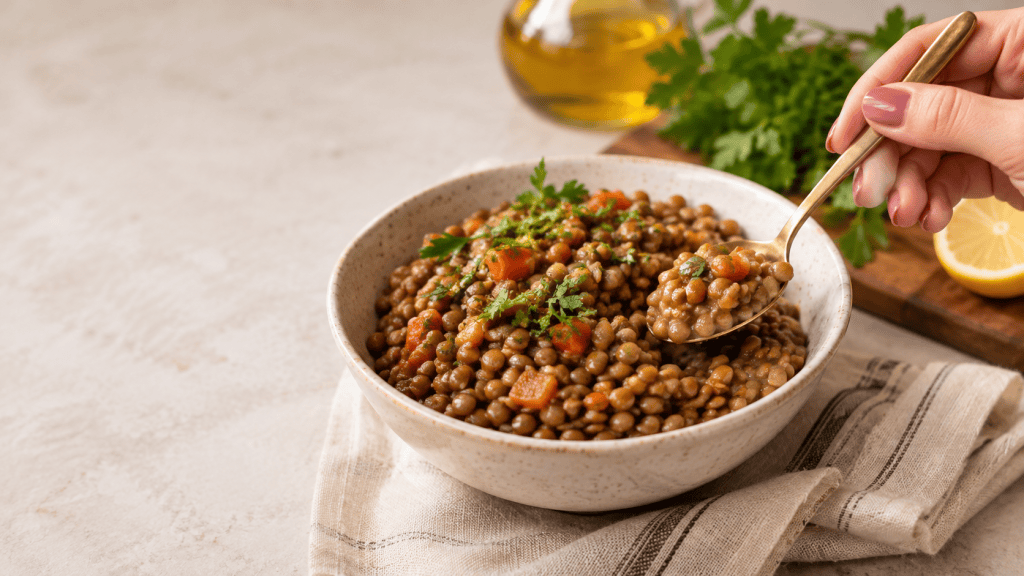
Lentils may be small, but they are mighty when it comes to nutrition! These little legumes are packed with fiber, plant-based protein, and iron. They’re also naturally gluten-free and provide potassium and folate, two important nutrients that support heart health.
I love serving lentils as a delicious side dish alongside almost any protein. They’re also wonderful tossed into salads or used as a hearty replacement for rice or pasta in soups and stews. They’re filling, versatile, and take on the flavors of whatever you’re cooking. What’s not to love?
Carb Count: Approximately 2.5 grams per tablespoon of cooked lentils.
The Fiber Factor: Here’s where lentils really shine! A half-cup of cooked lentils delivers nearly 8 grams of fiber, compared to less than half a gram in the same amount of traditional Mahatma white rice. That’s roughly 25 times more fiber in the same serving size! Not a bad nutritional upgrade for something that tastes wonderful alongside your favorite protein.
My Gluten Free, non GMO, flavor pick: Mina Moroccan Lentils
Butternut Squash

I absolutely adore butternut squash as part of a roasted root vegetable medley! But it’s just as delicious whipped into a rich, velvety purée that gives you all the creamy, comforting satisfaction of mashed potatoes. A little butter, some seasoning, and you’ve got a side dish that feels downright decadent!
And there’s plenty of nutrition behind that gorgeous golden color. Butternut squash is packed with fiber to support gut health and help manage blood sugar, beta-carotene for eye health, and potassium to help regulate blood pressure and balance sodium in the body.
The Fiber Factor: Here’s a delicious surprise! One cup of cooked butternut squash delivers approximately 6.6 grams of fiber, compared to 3.2 grams in traditional mashed potatoes. That’s more than twice the fiber!
Carb Count: Butternut squash wins here, too! With approximately 22 grams of carbohydrates per cooked cup compared to 35 grams in mashed potatoes, you’re getting about 37% fewer carbs without giving up that creamy, comforting side dish. Plus, you’re getting a generous helping of vitamins A and C!
Recipes to Try: Butternut Squash Gnocchi Butternut Squash Puree Roasted Root Veg
Sweet Potatoes
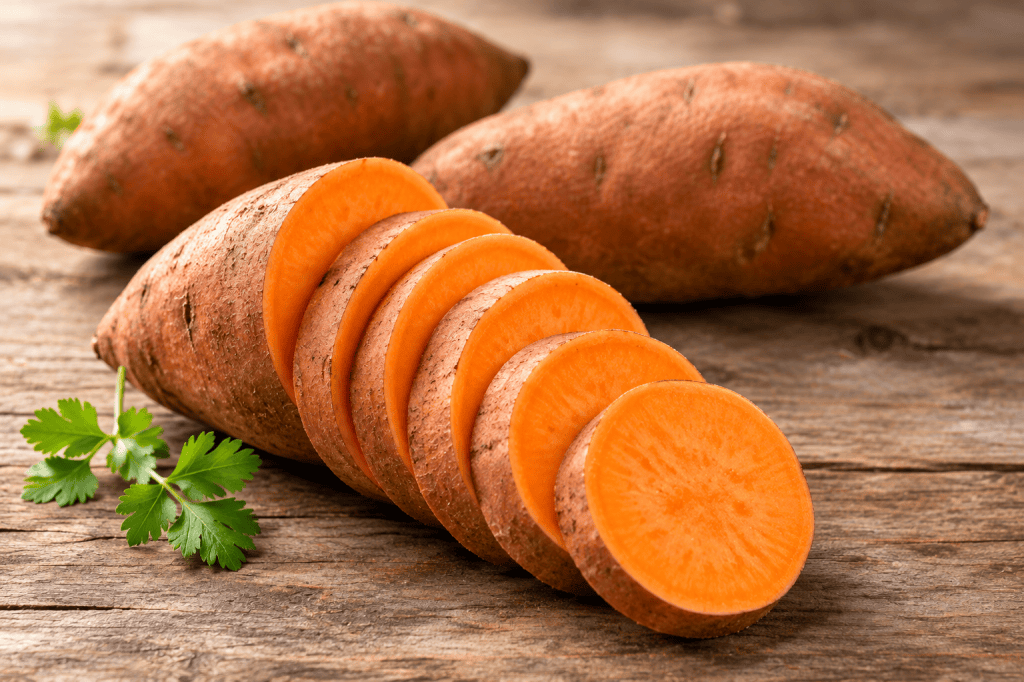
Sweet potatoes are an absolute favorite of mine! They’re delicious, satisfying, and incredibly versatile. You can bake them, mash them, roast them, or swap them for white potatoes in soups and stews. I especially love how their natural sweetness complements savory dishes.
And that gorgeous orange color isn’t just for looks! Sweet potatoes are loaded with beta-carotene, which your body converts into vitamin A to support eye health and immune function. They’re also a wonderful source of fiber, potassium, and antioxidants. Talk about a delicious way to get more nutrition on your plate!
And here’s another bonus: Unlike white potatoes, sweet potatoes are not part of the nightshade family. They’re naturally gluten-free AND nightshade-free, making them a wonderful alternative for those of us who avoid either or both.
The Fiber Factor: A medium baked sweet potato delivers approximately 3.8 grams of fiber, compared to 3.6 grams in a medium baked white potato with the skin. Both are good sources of fiber! Where sweet potatoes really shine is their impressive beta-carotene content, which your body converts into vitamin A to support eye health and immune function.
Carb Count: A medium baked sweet potato contains approximately 25 grams of carbohydrates, compared to about 37 grams in a medium baked white potato. That’s roughly one-third fewer carbs per potato! Keep in mind that white potatoes are typically larger, so their carbohydrate content is fairly similar when comparing equal weights.
Recipes to Try: Baked in the oven or microwave, mashed just like white potatoes, added to pot roast or stews in place of white potatoes As a part of Roasted Root Vegetable Medley
Brown Rice
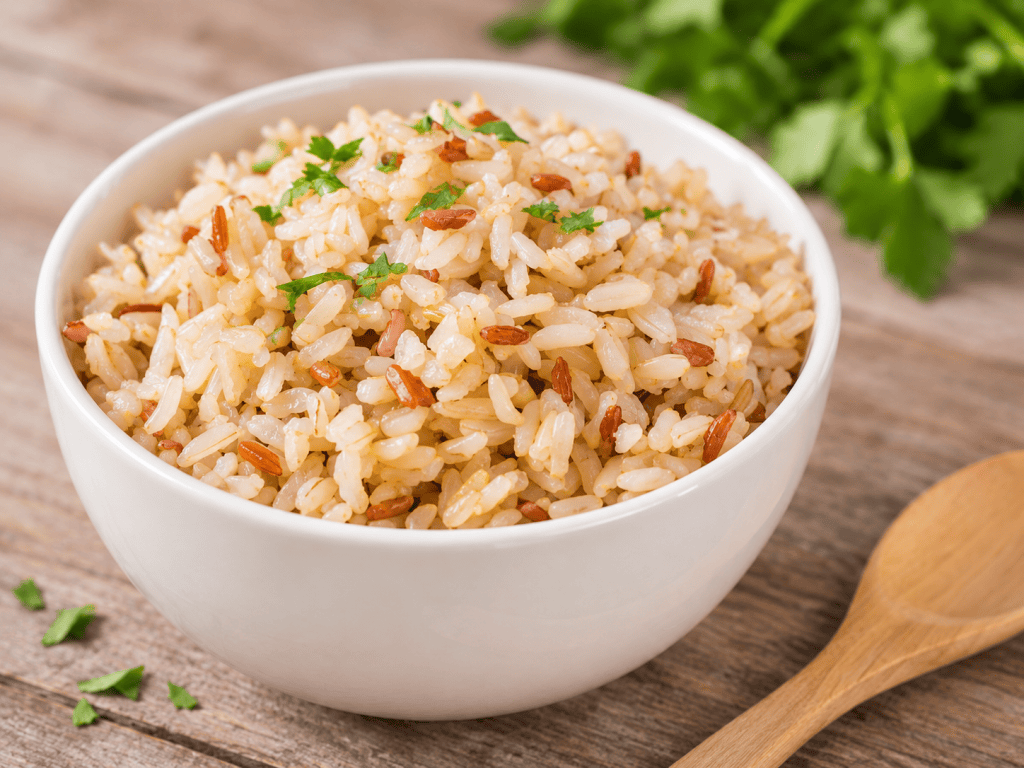
Brown rice takes a little longer to cook than white rice, but it’s well worth the wait! And please, don’t settle for boring rice. Try cooking it in beef, chicken, or vegetable stock instead of water, and spice it up with your favorite herbs and seasonings. Don’t forget citrus zest! A little lemon or orange zest can add a wonderful burst of flavor.
Rice gets a terrible reputation, but brown rice is actually a nutritious whole grain. Unlike white rice, which has been stripped of its bran and germ, brown rice retains those nutrient-rich layers, providing more fiber, protein, magnesium, and B vitamins.
Naturally gluten-free, brown rice makes a delicious, satisfying side dish alongside just about any protein. Its slightly nutty flavor and chewy texture also make it a hearty addition to soups, stews, and grain bowls.
The Fiber Factor: A half-cup of cooked brown rice provides approximately 1.5–2 grams of fiber, compared to just 0.3 grams in the same amount of traditional white rice. That’s roughly five to six times more fiber! Brown rice also provides additional nutrients that are lost during the refining process.
Carb Count: A half-cup of cooked brown rice contains approximately 25–26 grams of carbohydrates, compared to about 22 grams in white rice. So, brown rice isn’t necessarily lower in carbohydrates. Its real advantage is the additional fiber and nutrients that make it a more nutritious choice.
And at around 120 calories with nearly 3 grams of protein per half-cup, it’s a satisfying way to round out a meal.
Recipes to Try: Mediterranean Lamb and Rice Bowl
My Gluten free, non-GMO, organic pick Lundberg Organic Brown Rice
Wild Rice
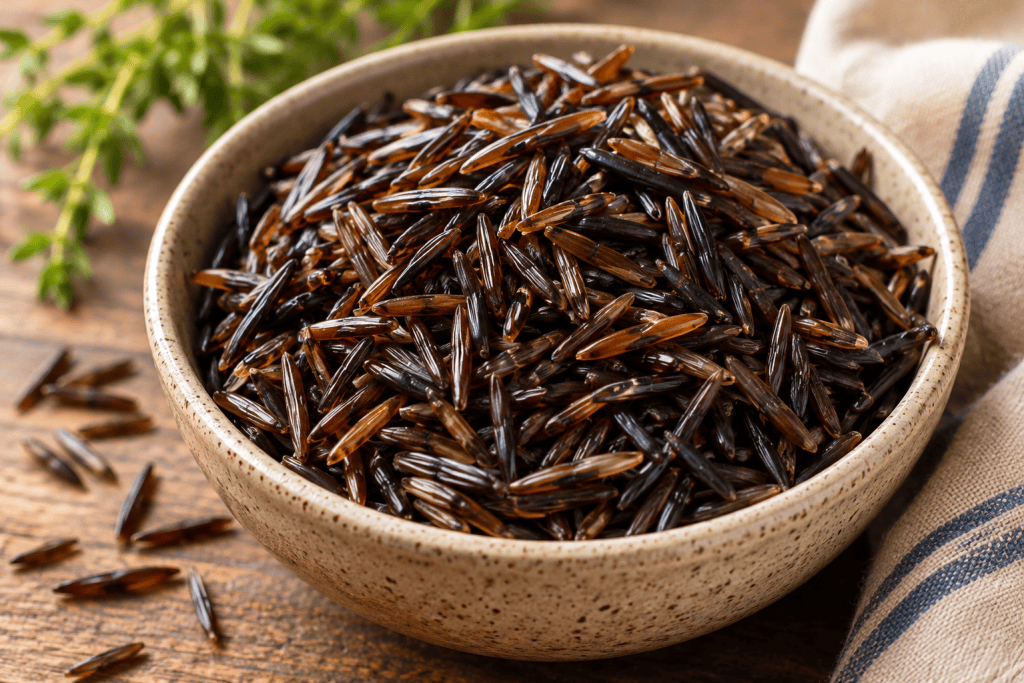
I absolutely adore wild rice, especially alongside rich, flavorful meats like duck, venison, beef, and lamb! Its earthy, nutty flavor and wonderfully chewy texture make it the perfect accompaniment to game meats. It feels a little more rustic than ordinary white rice, too.
I especially love combining wild rice with sautéed mushrooms, onions, fresh herbs, and a flavorful stock. It’s also amazing in soups and stews! Because wild rice takes longer to cook than white rice, you can add it uncooked directly to a simmering soup or stew and let it absorb all those wonderful flavors as it cooks. Just be sure to allow enough cooking time and extra liquid.
And here’s something you may not know. Wild rice isn’t actually rice! It’s the seed of an aquatic grass, and it’s naturally gluten-free and nightshade-free.
Wild rice also offers some impressive nutritional benefits, including plant-based protein, fiber, magnesium, zinc, and antioxidants.
The Fiber Factor: A half-cup of cooked wild rice contains approximately 1.5 grams of fiber, compared to just 0.3 grams in traditional white rice. That’s five times the fiber! Brown rice has slightly more fiber at approximately 1.8 grams per half-cup, but wild rice offers more protein.
Carb Count: A half-cup of cooked wild rice contains approximately 17.5 grams of carbohydrates, compared to 22.3 grams in white rice and 22.4 grams in brown rice. That’s about 22% fewer carbohydrates, along with fewer calories and more protein.
Recipes to Try: Portabello & Pecan Wild Rice
My Gluten free, non-GMO, organic pick: Northern Lattitude
Soba Noodles
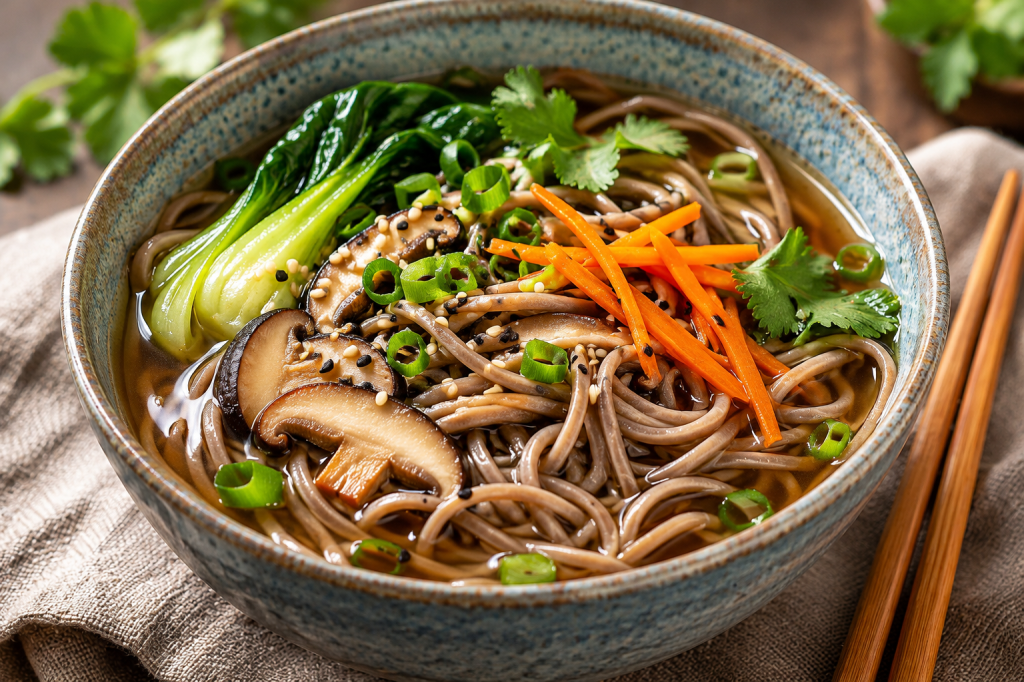
I fell in love with soba noodles when my husband was stationed in Hawaii. Beautiful Asian-inspired soups, stir-fries, noodle bowls, and cold salads introduced me to just how versatile these delicious noodles can be. I love their slightly earthy, nutty flavor, and they make a wonderful alternative to traditional pasta or rice noodles.
Soba noodles are made with buckwheat, which, despite its name, isn’t wheat at all! Buckwheat is naturally gluten-free and nightshade-free. It’s also a source of plant-based protein, essential amino acids, and antioxidants, including rutin, a beneficial plant compound associated with cardiovascular health.
A little shopping tip: Not all soba noodles are gluten-free! Many brands combine buckwheat with regular wheat flour, so look for noodles made with 100% buckwheat and labeled gluten-free.
The Fiber Factor: Here’s where choosing the right soba noodles matters. Traditional rice noodles contain approximately 1.8 grams of fiber per cooked cup. The fiber content of soba noodles varies by brand, but a typical 2-ounce dry serving of 100% buckwheat soba provides approximately 2–3 grams of fiber. Choosing whole-buckwheat noodles also provides additional nutrients and plant-based protein.
Carb Count: One cup of cooked soba noodles contains approximately 24 grams of carbohydrates and 113 calories, compared to 42 grams of carbohydrates and 190 calories in a cup of cooked rice noodles. That’s approximately 43% fewer carbohydrates and 41% fewer calories!
Soba noodles also provide nearly 6 grams of protein per cooked cup, compared to approximately 3 grams in rice noodles. Not bad for a noodle swap!
Recipes to Try: awap them for pasta in your favorite soups stay tuned for more!
My Gluten free, non-GMO, organic pick: Eden, Organic Buckwheat Soba
Purple & Japanese Sweet Potatoes
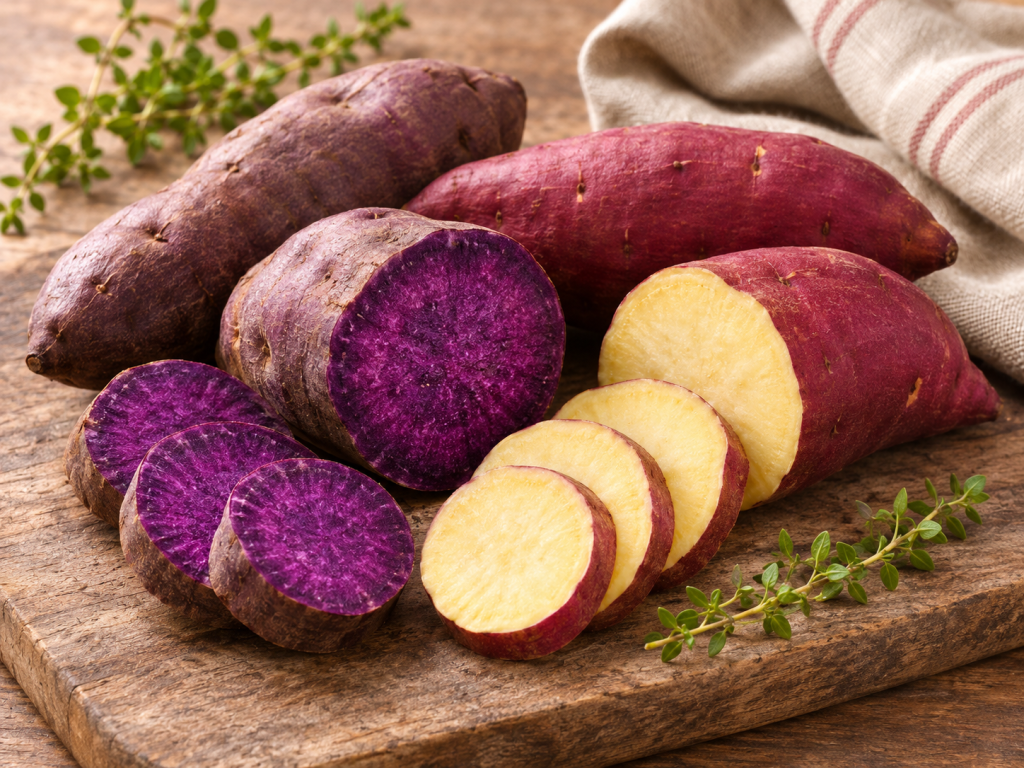
I first discovered purple and Japanese sweet potatoes when my husband was stationed in Hawaii, and I’ve been a fan ever since! If you love traditional potatoes but need to avoid nightshades, these are wonderful alternatives. They’re naturally gluten-free and nightshade-free, and you can prepare them in many of the same ways you would ordinary white potatoes.
Bake them, roast them, mash them, or dice them for soups and stews. You can even make a beautiful potato salad with them! Their firmer texture helps them hold their shape, and their slightly nutty, earthy flavor works beautifully with savory seasonings, herbs, and dressings.
There are several varieties worth trying. Japanese sweet potatoes typically have reddish-purple skin and creamy white flesh, with a rich, almost chestnut-like flavor. Okinawan sweet potatoes have gorgeous purple flesh and a mildly sweet, creamy texture. Stokes Purple sweet potatoes are another favorite, with deep purple flesh and a denser, slightly drier texture.
And there’s more to that gorgeous color than good looks! Purple-fleshed sweet potatoes contain anthocyanins, antioxidant compounds also found in blueberries and blackberries. They also provide fiber, potassium, and other important nutrients.
The Fiber Factor: Like traditional orange sweet potatoes, purple and Japanese sweet potatoes provide dietary fiber that supports digestive health and helps make meals more satisfying. For reference, a medium baked sweet potato contains approximately 3.8 grams of fiber, compared with 3.6 grams in a medium baked white potato with the skin. Fiber content varies by variety and preparation, so the nutritional advantage isn’t necessarily more fiber, but the combination of fiber, antioxidants, and other nutrients.
Carb Count: These are still starchy vegetables, so don’t expect a dramatic reduction in carbohydrates compared with white potatoes. A typical baked sweet potato contains approximately 21 grams of carbohydrates per 100 grams, although purple and Japanese varieties can vary. Their real appeal is their nutritional variety, satisfying texture, and versatility as a nightshade-free substitute.
Recipes to Try:
Quinoa (Pronounced KEEN-wah)
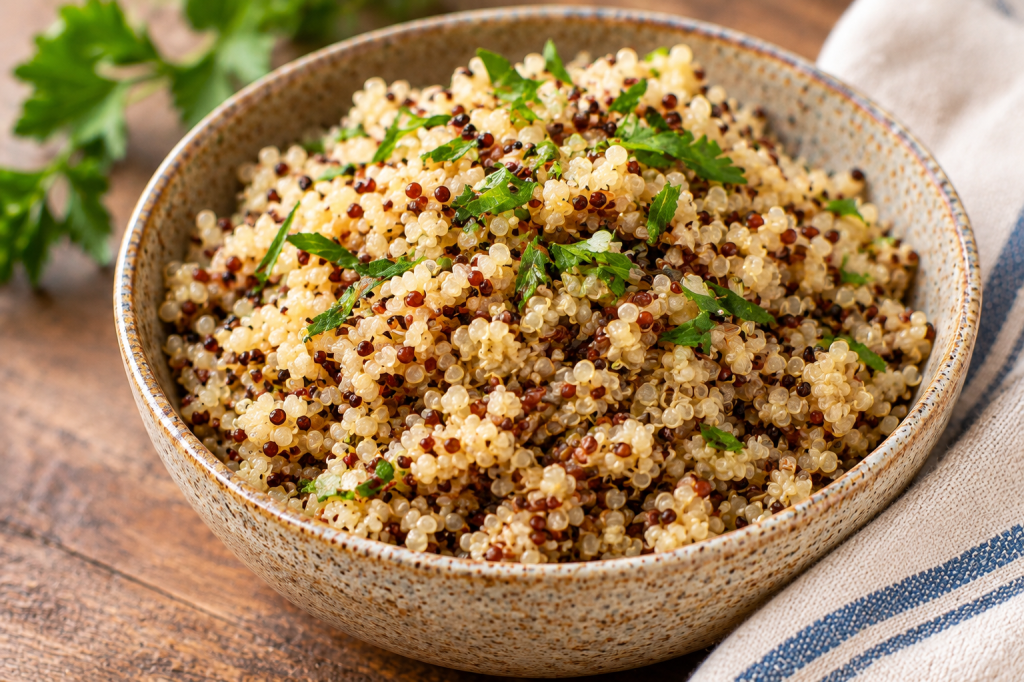
The first time I tasted quinoa, a friend had brought a quinoa salad to a potluck. I was instantly in love with its light, fluffy texture and delicate, slightly nutty flavor. It’s a delicious alternative to rice, and I’ve been a fan ever since!
Quinoa is incredibly versatile. Use it as a side dish or replace white rice, couscous, or orzo in just about any recipe. It’s wonderful in salads, grain bowls, soups, and stews. You can serve it warm or cold, and it takes on the flavors of whatever you’re cooking.
Although quinoa has become a mainstream whole-grain favorite, here’s a little surprise: it’s actually a seed! Originally cultivated in the Andes Mountains of South America, quinoa is naturally gluten-free and nightshade-free.
And it’s a nutritional powerhouse! A half-cup of cooked quinoa provides approximately 4 grams of protein, 2.6 grams of fiber, and 160 milligrams of potassium. It also contains magnesium, iron, and all nine essential amino acids, making it a complete source of plant-based protein.
The Fiber Factor: A half-cup of cooked quinoa delivers approximately 2.6 grams of fiber, compared to just 0.3 grams in traditional white rice. That’s more than eight times the fiber! Quinoa also provides nearly twice as much protein, making it a satisfying swap.
Carb Count: A half-cup of cooked quinoa contains approximately 20 grams of carbohydrates, compared to 22 grams in white rice. The carbohydrate difference isn’t dramatic, but the additional fiber, protein, and nutrients make quinoa a wonderful nutritional upgrade.
My Cooking Tip: Quinoa is fantastic for meal prep! It freezes beautifully and keeps in the refrigerator for 3–4 days. Make a batch early in the week, and you’ll have a nutritious base ready for salads, side dishes, and quick meals. And don’t be afraid to cook it in chicken or vegetable stock instead of water for extra flavor!
My Gluten free, non-GMO, organic pick: Viva Naturals Organic Quinoa
Boniato (Cuban Sweet Potatoes)
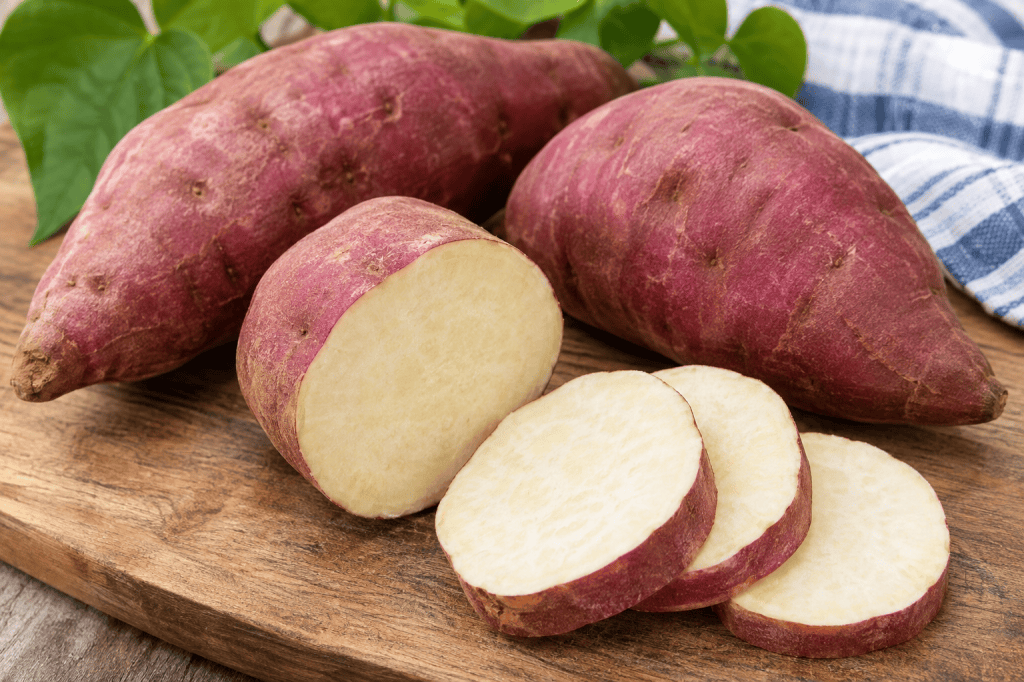
When I first gave up white potatoes, I started looking for nightshade-free alternatives that would still give me the satisfying flavor and texture of a traditional potato. That’s how I eventually discovered boniato, also known as the Cuban sweet potato.
With its reddish-purple skin and creamy white flesh, boniato looks similar to a traditional sweet potato, but the flavor is quite different. It’s only slightly sweet, with a mild, nutty flavor and a fluffy texture that’s closer to an Irish potato than the familiar orange sweet potato.
And talk about versatile! You can bake them, mash them, roast them, or use them in soups and stews. They’re also wonderful in potato salad, where their firmer texture holds up beautifully. For anyone who misses traditional potato dishes, boniato is definitely worth trying!
Shopping Tip: Keep an eye out for Bonita sweet potatoes, too! Bonita is a similar white-fleshed sweet potato variety developed at Louisiana State University (LSU). Like boniato, it has a mild, slightly sweet flavor and works beautifully baked, mashed, roasted, or in potato salad. Depending on where you shop, Bonita may be easier to find. Both are naturally gluten-free and nightshade-free!
These sweet potatoes also provide potassium, vitamin C, and other valuable nutrients. Potassium helps support healthy blood pressure and muscle function, while vitamin C supports immune health.
The Fiber Factor: Bonita sweet potatoes have a nutritional edge over traditional white potatoes! A 110-gram serving contains approximately 3 grams of fiber, compared to 2.6 grams in the same amount of white potato with the skin. That’s about 15% more fiber to help support digestive health and keep meals satisfying.
Carb & Calorie Count: Bonita sweet potatoes contain approximately 22 grams of carbohydrates and 90 calories per 110-gram serving, compared to 17.5 grams of carbohydrates and 76 calories in traditional white potatoes. While slightly higher in carbs and calories, Bonita brings fiber, potassium, and other valuable nutrients to the plate.
But the greatest benefit? All that comforting, potato decadence without the nightshades! You can still enjoy creamy mashed potatoes, beautifully roasted wedges, or your favorite potato salad without giving up the foods you love.
Recipes to Try: Potato Salad
Cauliflower
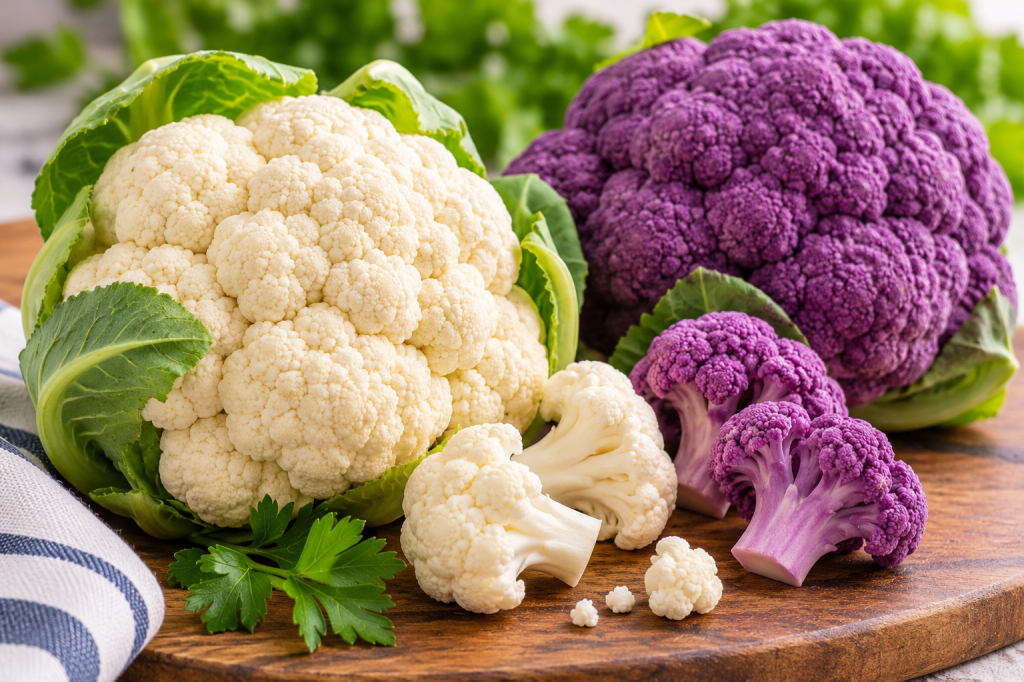
Cauliflower is one of my favorite kitchen chameleons! It’s amazing how many ways you can transform this humble vegetable into something delicious and satisfying.
I make a wonderful cauliflower couscous, a rich and creamy cauliflower mash, and even grilled cauliflower steaks. Each brings something completely different to the dinner table!
Finely chopped cauliflower makes an excellent substitute for couscous or rice. You can sauté it with olive oil, garlic, fresh herbs, and a little lemon zest for a flavorful side dish that complements almost any protein.
And cauliflower mash? With a little butter, roasted garlic, and the right seasonings, you can whip it into a silky, decadent alternative to mashed potatoes.
Don’t overlook cauliflower steaks, either! Cut into thick slices, seasoned, and grilled or roasted until beautifully caramelized, they develop a wonderful nutty flavor.
Cauliflower is naturally gluten-free and nightshade-free. It’s also packed with vitamin C, provides folate and antioxidants, and offers plenty of nutritional benefits without loading up your plate with starch.
The Fiber Factor: One cup of cooked cauliflower provides approximately 2.9 grams of fiber, compared to 2.2 grams in couscous and just 0.6 grams in white rice. That’s nearly five times the fiber of white rice! Traditional mashed potatoes contain slightly more fiber at 3.2 grams per cup, but cauliflower offers a dramatically lower carbohydrate and calorie count.
Carb & Calorie Count: Here’s where cauliflower really shines! One cup of cooked cauliflower contains just 5.1 grams of carbohydrates and 29 calories. Compare that to 36.4 grams of carbs and 176 calories in couscous, 44.5 grams of carbs and 205 calories in white rice, or 35.2 grams of carbs and 237 calories in traditional mashed potatoes.
That’s a tremendous nutritional advantage for anyone looking to reduce carbohydrates and calories without giving up a satisfying side dish!
My Cooking Tip: The secret to a beautiful cauliflower mash is getting rid of excess moisture before puréeing. Too much water and you’ll end up with cauliflower soup instead of that rich, creamy texture you’re after!
Recipes to Try:
Celeriac (Celery Root)
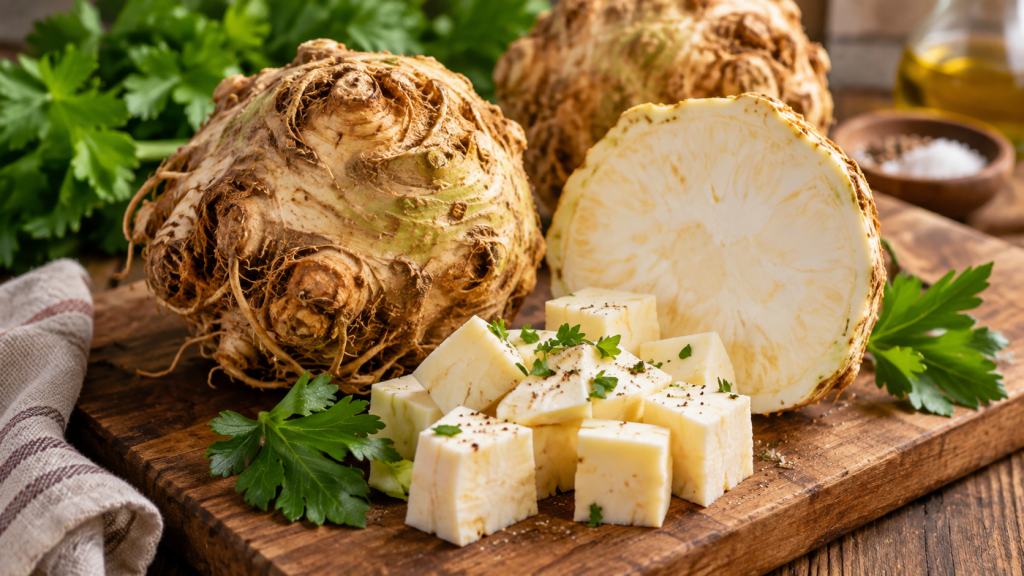
Don’t judge this vegetable by its looks! Celeriac may be one of the ugliest vegetables in the produce department, but underneath that knobby, rough exterior is a delicious alternative to traditional white potatoes.
I frequently use celeriac to make mashed potatoes, and I absolutely love it! Its mild, earthy flavor has a hint of celery and a subtle nuttiness that pairs beautifully with butter, roasted garlic, and fresh herbs. Whip it into a creamy purée, and you’ve got a fabulous side dish to accompany almost any protein.
But don’t stop at mashed potatoes! Celeriac can also be roasted, added to soups and stews, or incorporated into vegetable gratins. Its wonderfully versatile flavor works with everything from roasted chicken to beef, pork, and lamb.
Celeriac is naturally gluten-free and nightshade-free. It also provides potassium, phosphorus, and vitamin C.
The Fiber Factor: Celeriac contains dietary fiber to support digestive health, although traditional mashed potatoes have a slight advantage here. A 100-gram serving of cooked celeriac contains approximately 1.2 grams of fiber, compared to 1.5 grams in mashed white potatoes. But don’t count celeriac out! Its real nutritional advantage is in its dramatically lower carbohydrate and calorie content.
Carb & Calorie Count: Here’s where celeriac really shines! A 100-gram serving of cooked celeriac contains just 5.9 grams of carbohydrates and 27 calories, compared to 16.8 grams of carbohydrates and 113 calories in traditional mashed potatoes made with butter and milk. That’s approximately 65% fewer carbohydrates and 76% fewer calories!
My Cooking Tip: For a rich, velvety celeriac mash, cook the peeled, cubed root until tender, drain it well, and purée with a little butter, roasted garlic, and your favorite seasonings. A touch of cream makes it especially decadent!
Recipes to Try: Celery Root Puree
Turnips
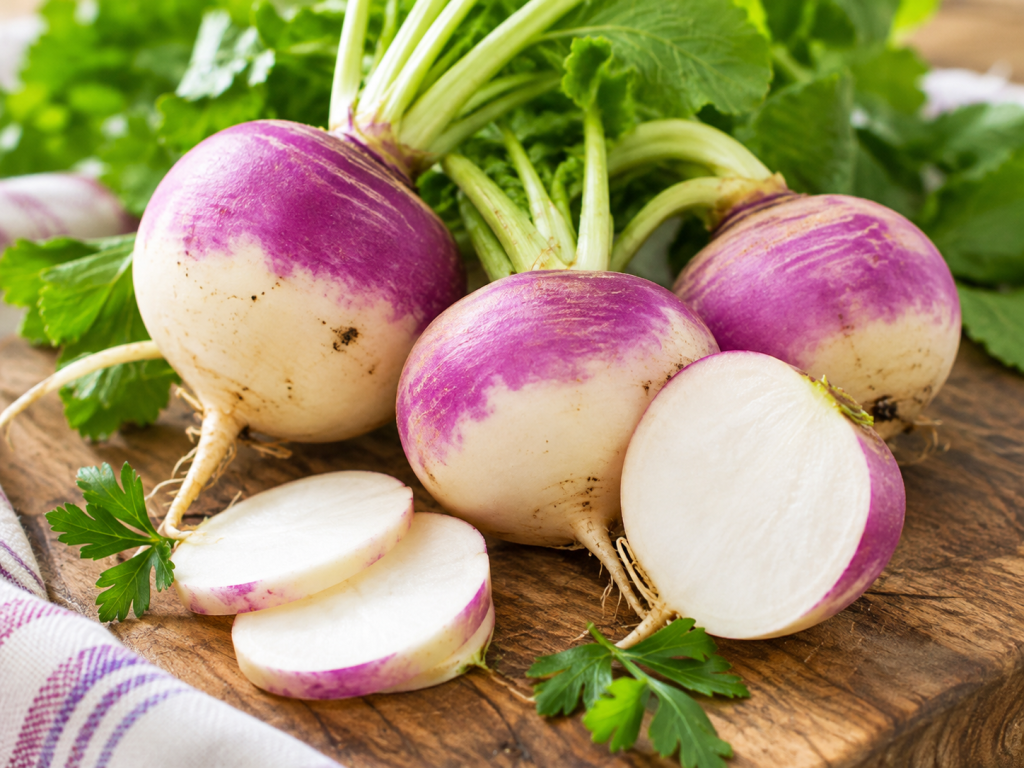
Don’t overlook the humble turnip! This old-fashioned root vegetable is one of my favorite alternatives to traditional white potatoes, and it deserves a little more attention in the kitchen.
Turnips have a mildly sweet, slightly peppery flavor that mellows beautifully when cooked. They’re incredibly versatile, too! I use them to make creamy mashed turnips, silky purées, and even potato salad. You can also roast them until they’re golden and caramelized or dice them into soups and stews anywhere you’d normally use white potatoes.
And if you’re avoiding gluten or nightshades, here’s another reason to love them. Turnips are naturally gluten-free and nightshade-free!
They’re also a good source of vitamin C and provide potassium, calcium, and fiber.
The Fiber Factor: Turnips actually have a slight advantage over traditional white potatoes! One cup of cooked, diced turnips provides approximately 3.1 grams of fiber, compared to 2.8 grams in a cup of boiled white potatoes without the skin. That’s a little extra fiber to support digestive health and help make meals satisfying.
Carb & Calorie Count: Here’s where turnips really shine! One cup of cooked, diced turnips contains just 8 grams of carbohydrates and 34 calories, compared to 31 grams of carbohydrates and 134 calories in a cup of boiled white potatoes. That’s approximately 74% fewer carbs and 75% fewer calories!
And the best part? You can still enjoy so many of your favorite comfort foods. From creamy mashed potatoes to a delicious potato salad or a hearty beef stew, turnips let you enjoy familiar dishes with a fraction of the carbs and calories.
My Cooking Tip: Choose smaller, younger turnips when possible. They tend to be sweeter and milder than large, mature turnips. And when making mashed turnips, drain them thoroughly before puréeing to avoid a watery mash.
Let me know which swaps you love the most!
~Michelle

